1. What is Mobile Mapping?
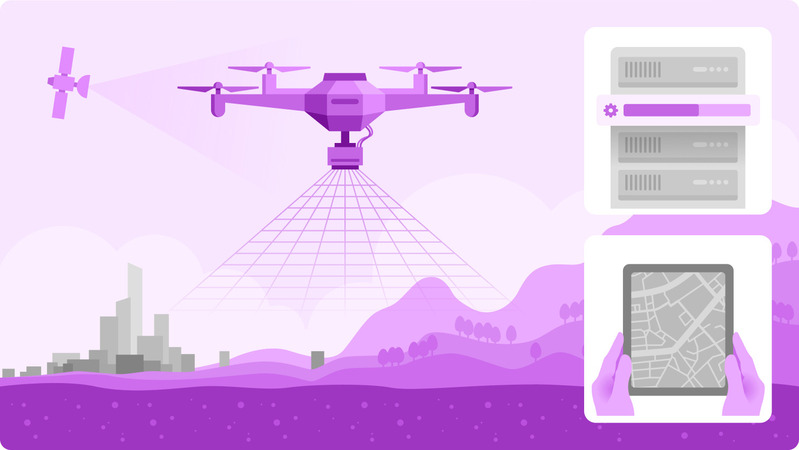
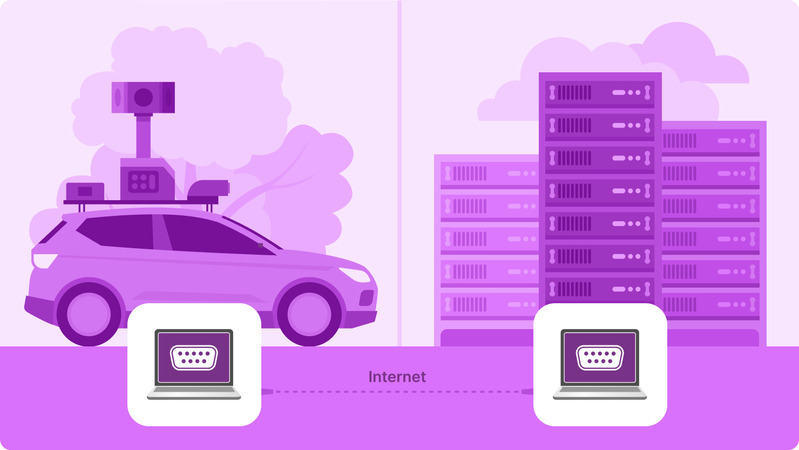
Mobile mapping refers to the process of collecting spatial and environmental data using a mobile platform, such as a vehicle or drone. These systems typically integrate several sensors like GPS, LiDAR, cameras, and other advanced technologies to capture 3D models of an area and its surroundings.
1.1. LiDAR
LiDAR (Light Detection and Ranging) is one of the most important technologies used in mobile mapping systems. It uses laser pulses to measure distances and create highly accurate 3D models of the scanned environment. The precision and ability to capture detailed information, such as building facades, road surfaces, and natural landscapes, make LiDAR an essential tool for mapping and surveying.
LiDAR's ability to scan at various angles and distances allows it to map areas that are difficult to reach or inaccessible by traditional methods. In combination with GPS, LiDAR provides georeferenced data, making it an ideal technology for mobile mapping systems.
1.2. When is Mobile Mapping Needed?
Mobile mapping systems are necessary when there is a need for fast, accurate, and scalable data collection over large areas. Traditional mapping methods, such as manual surveys, can be time-consuming, costly, and limited in scope. Mobile mapping, on the other hand, enables the capture of comprehensive data over vast regions in a short amount of time.
Some common scenarios where mobile mapping is crucial include:
• Urban planning: Collecting data to design or modify urban infrastructure, such as roads, buildings, and parks.
• Transportation: Mapping roadways, bridges, tunnels, and traffic conditions for maintenance, construction, or planning projects.
• Environmental studies: Capturing the condition of natural landscapes, vegetation, and water bodies for conservation or research purposes.
• Asset management: Monitoring infrastructure such as street furniture, utility poles, and manholes.